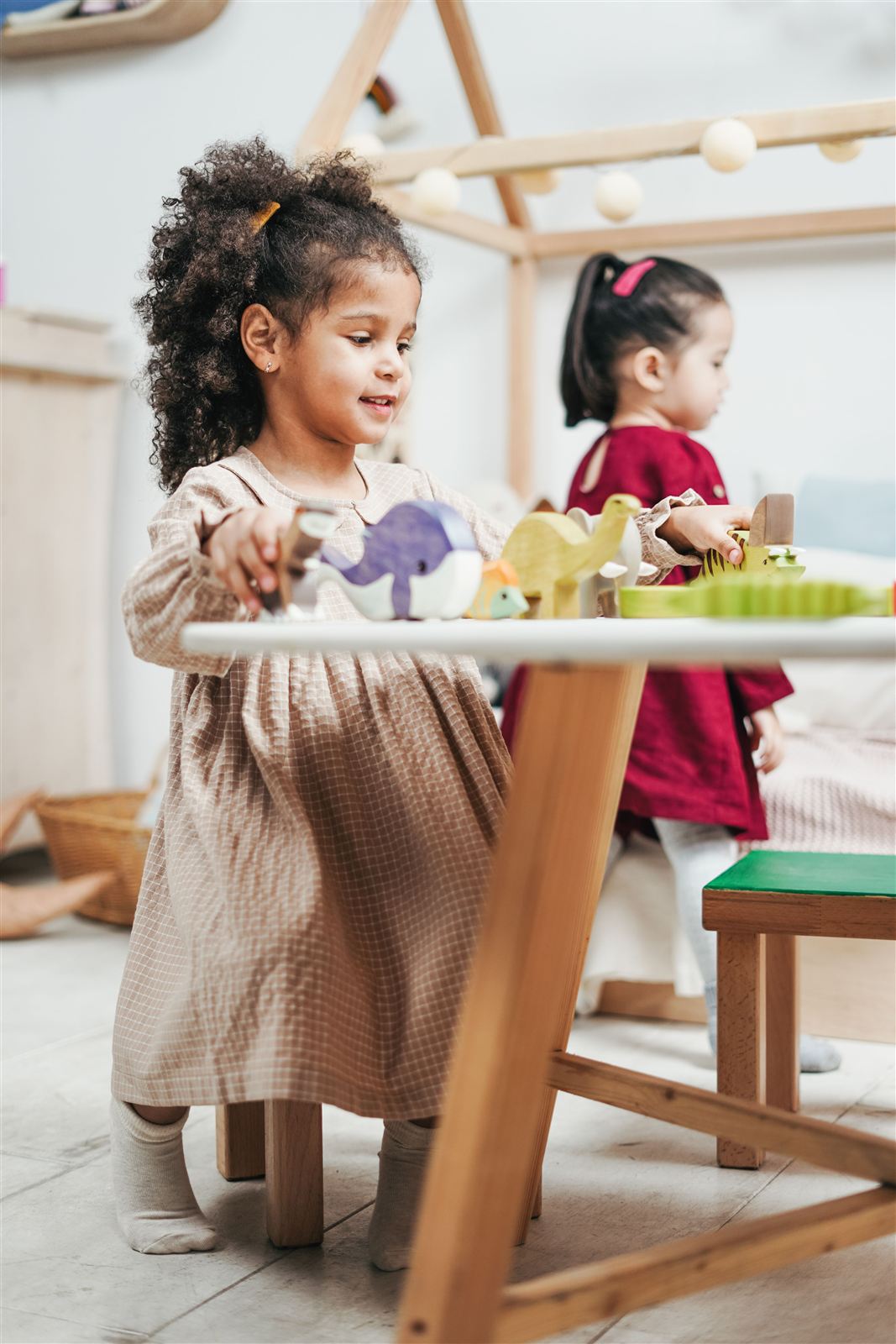
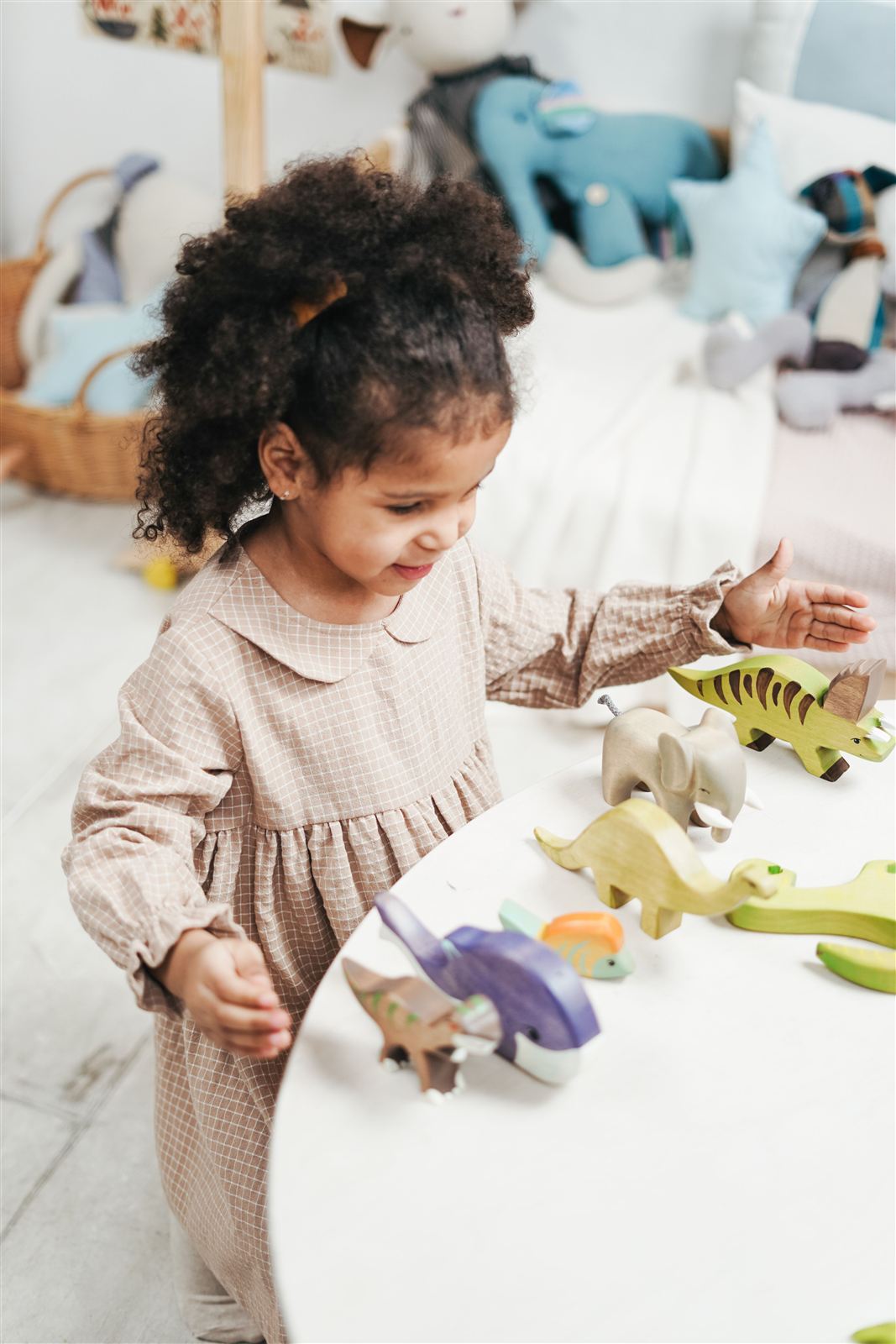
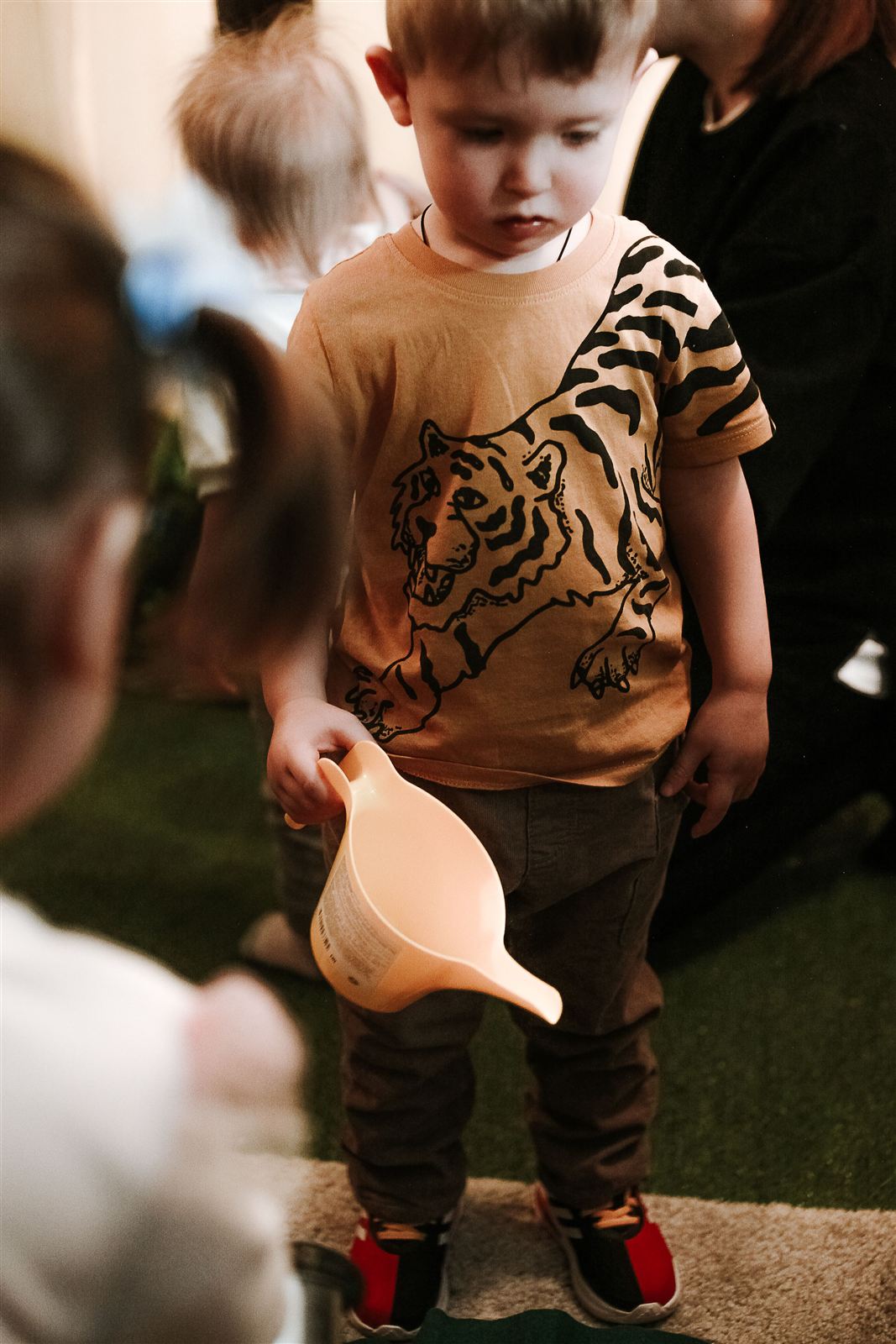
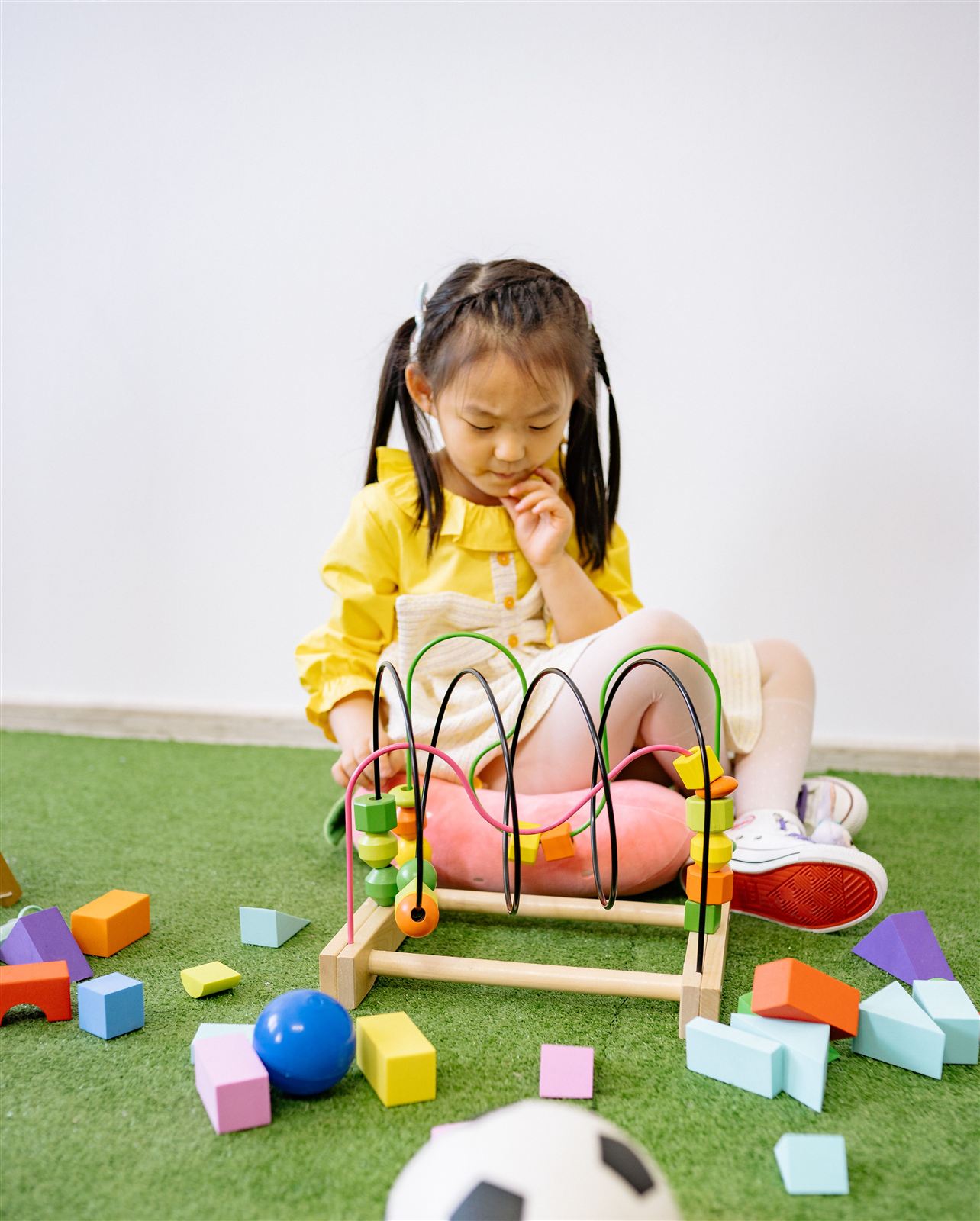
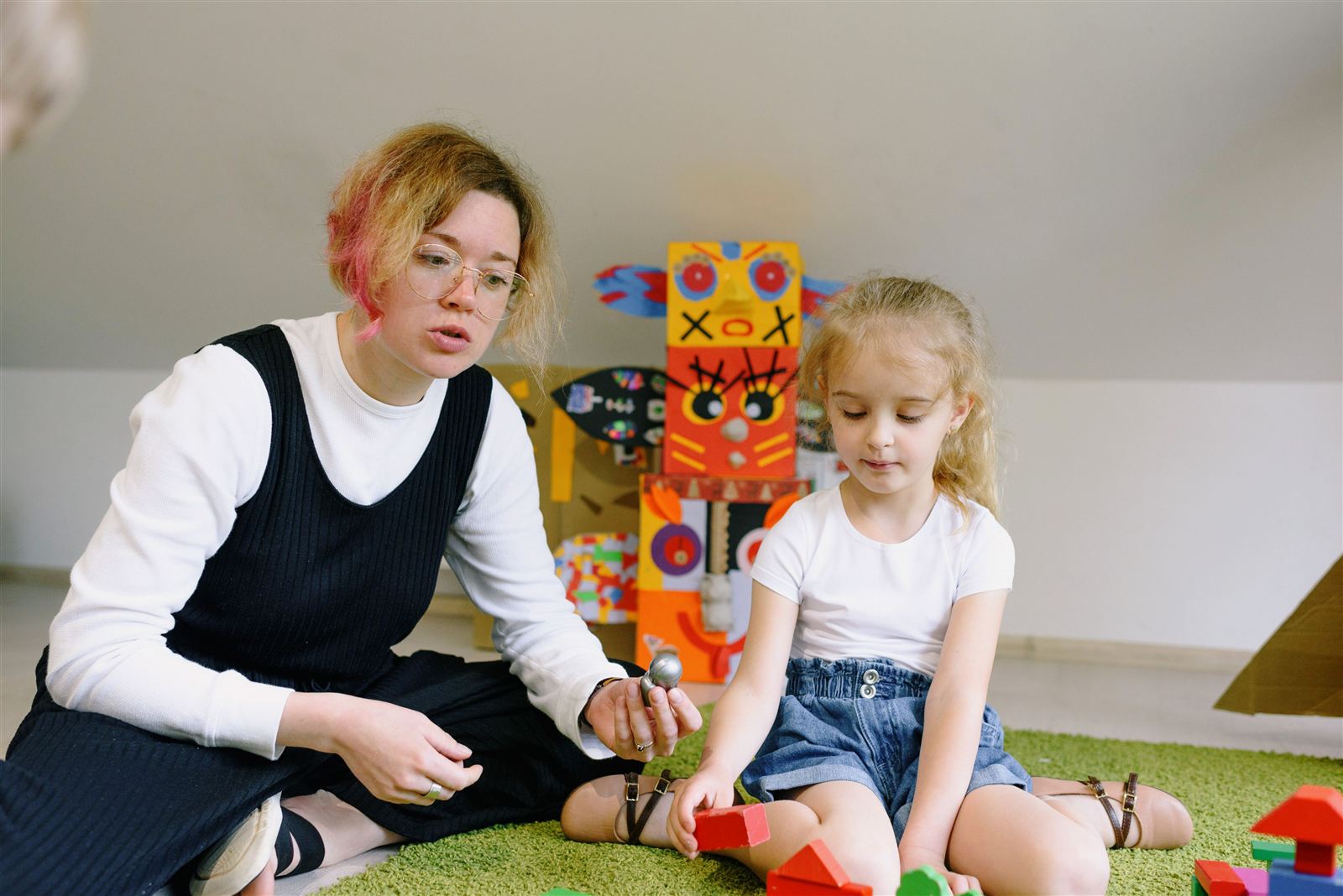
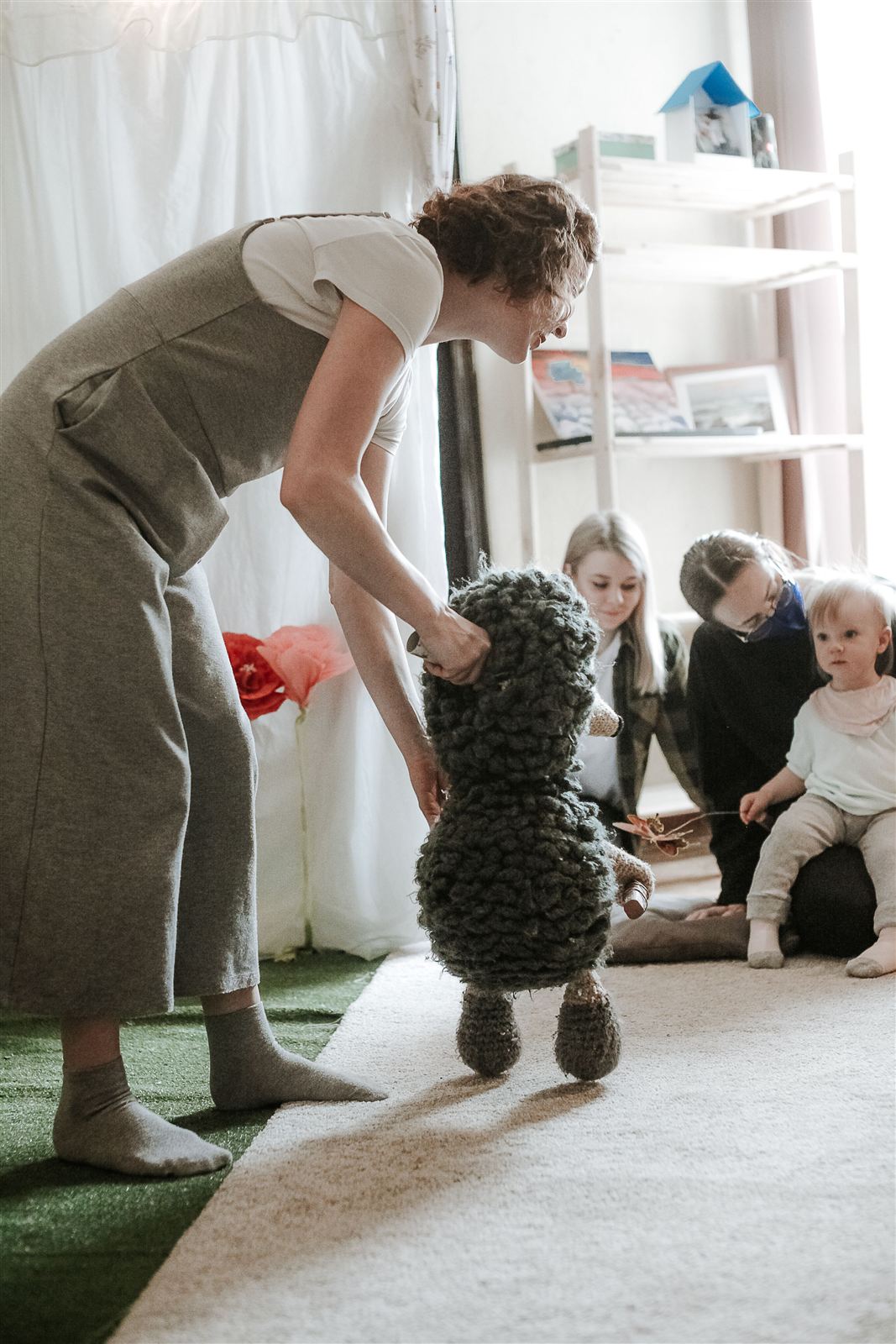
Portrait representing thoughtful learning
"The child is both a hope and a promise for mankind. The child who has felt a strong love for his surroundings and for all living creatures, who has discovered joy and enthusiasm in work, gives us reason to hope that humanity can develop in a new direction."
โ€” Dr. Maria Montessori ยท Founder of the Montessori Method ยท 1870 โ€“ 1952

Dr. Montessori was one of the first women to graduate from the University of Rome's medical school. Her observations of children led to a profound realization: children are not empty vessels to be filled. They are active constructors of their own knowledge, given the right conditions โ€” a belief we carry forward at both Roots Montessori centres.

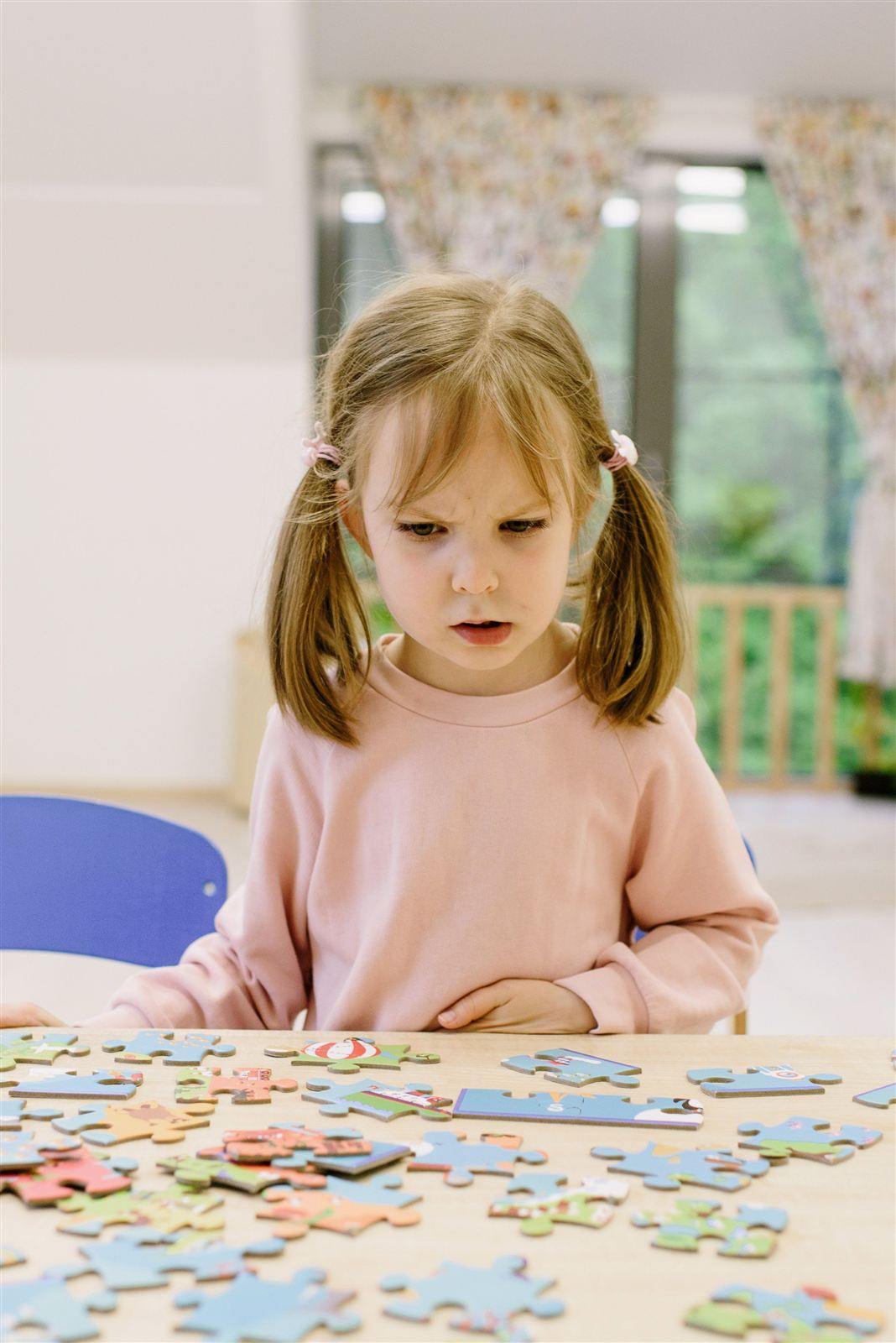
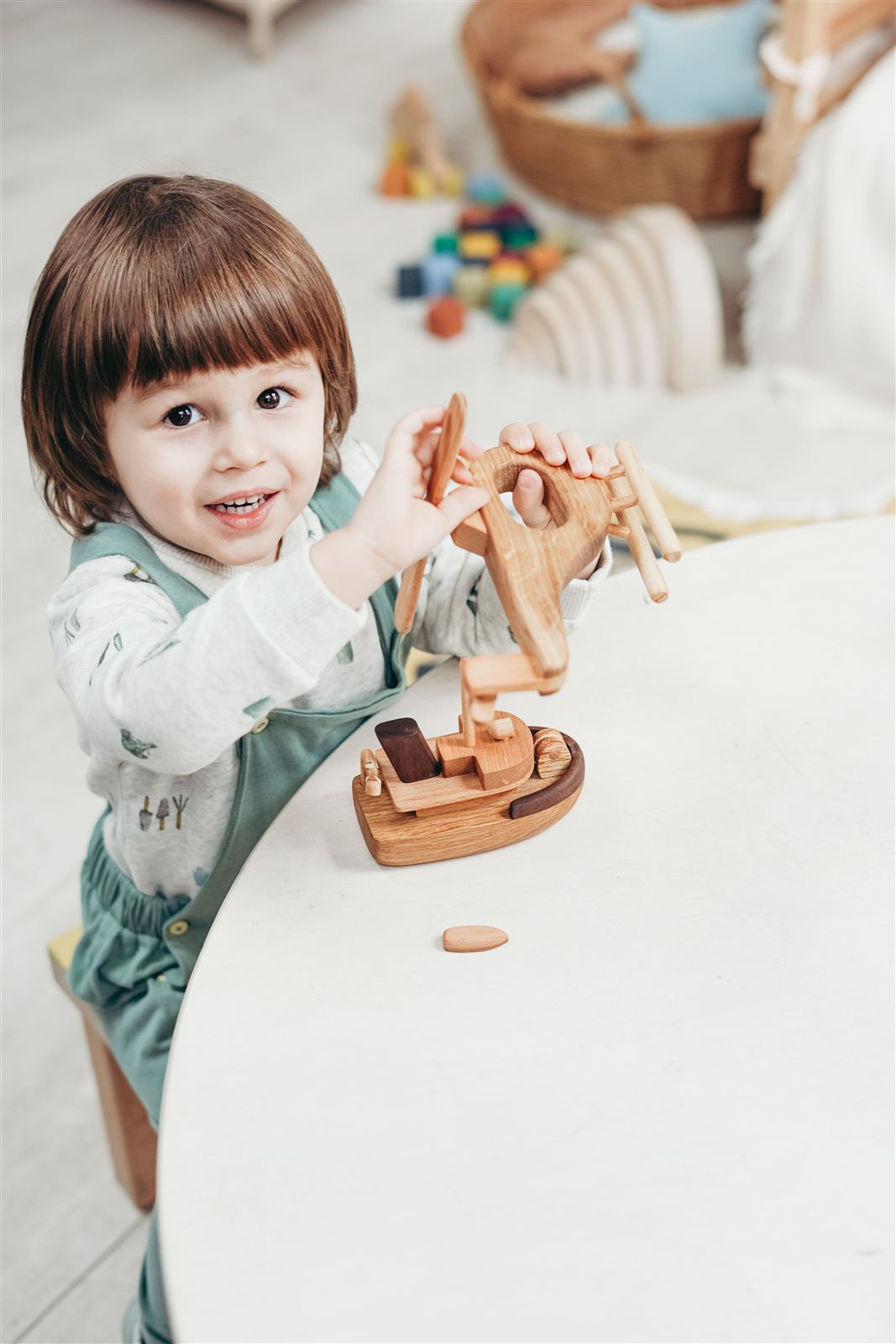
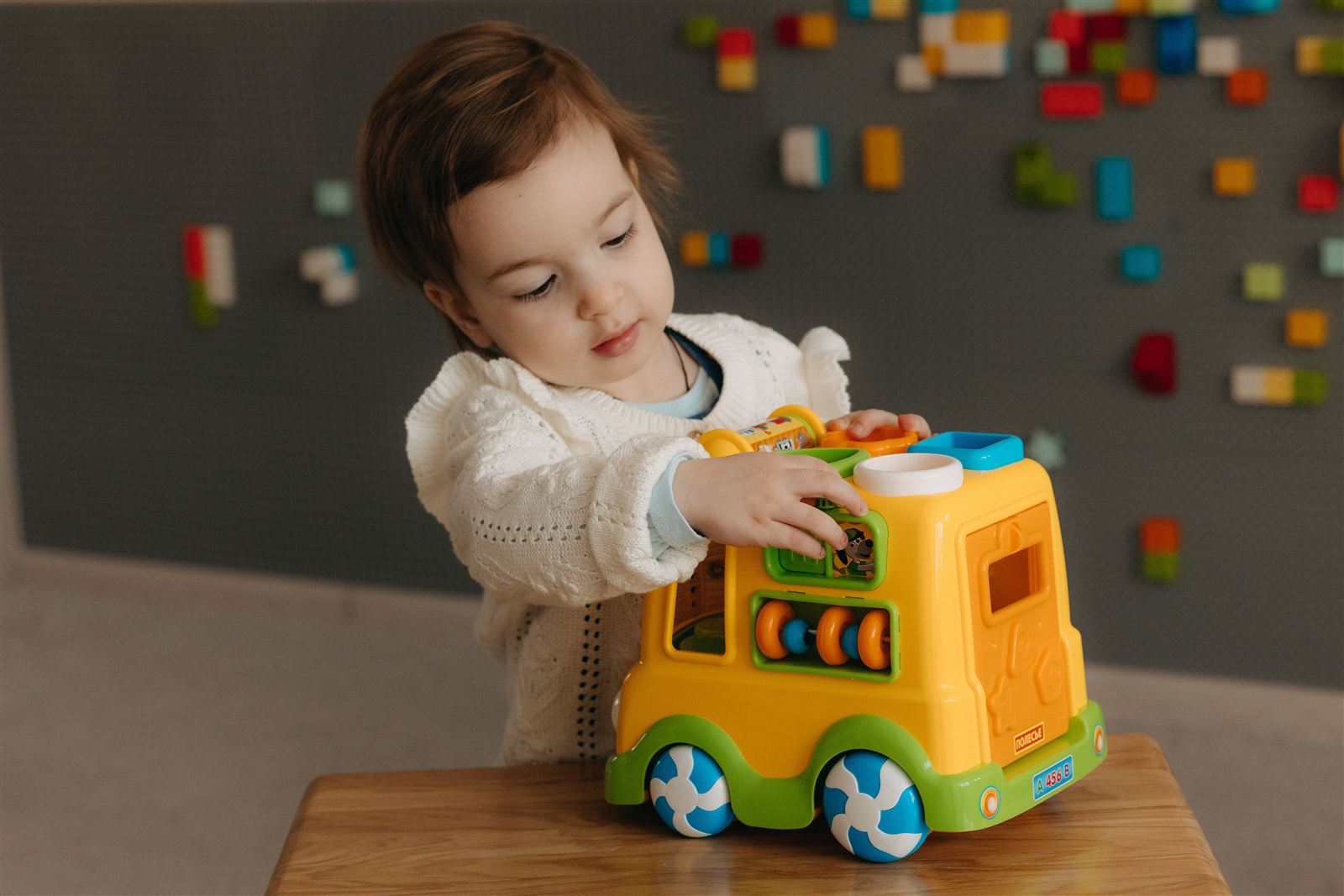
Child deeply absorbed in choosing and working with materials independently
๐Ÿง 
Child-led Principle One
01
Principle one

The child chooses โ€” and in choosing, grows

In a conventional early years setting, the adult decides what every child does and when. This is efficient โ€” but it is not how genuine learning happens.

In our Montessori classrooms at both Cartmell Place and Pioneer, children choose their own work from a rich range of carefully designed materials. They work for as long as their interest sustains and return to the same material day after day, deepening their understanding each time. This is a deep recognition that intrinsic motivation is the most powerful force in human learning, and that it must be protected, not overridden.

The results are visible and consistent. Children who choose their own work develop longer concentration spans, stronger problem-solving skills, greater persistence and a genuine, lasting love of learning.

๐ŸŽฏ Deep concentration
๐Ÿ’ก Intrinsic motivation
๐Ÿ”„ Self-correcting materials
โฑ๏ธ Uninterrupted work cycles
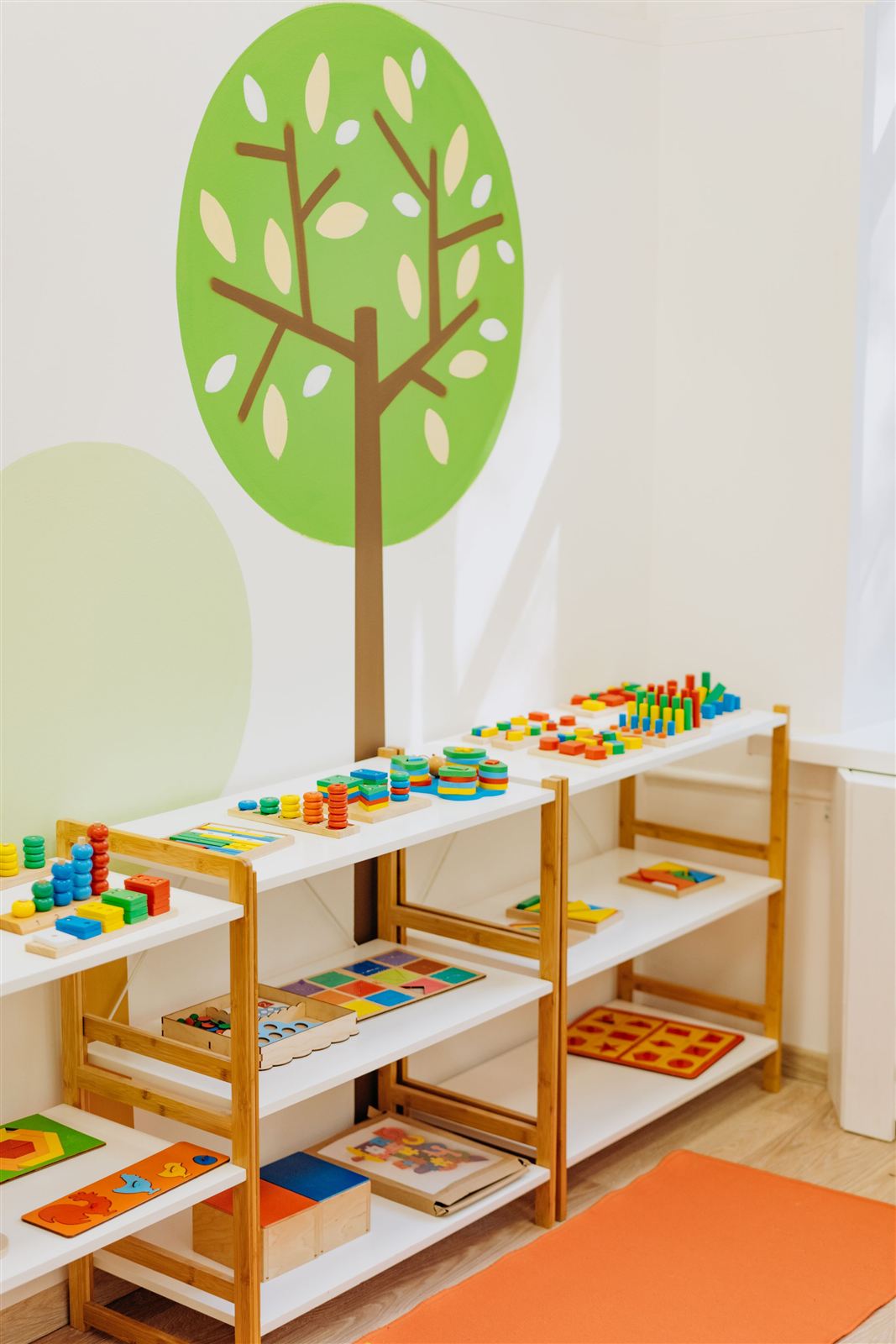
Low, open-faced wooden shelving with Montessori materials organised and ready for children to choose independently
๐Ÿก
Prepared environment Principle Two
02
Principle two

The environment is the third teacher

Walk into a classroom at either Cartmell Place or Pioneer and the first thing you notice is the calm. Everything is ordered, beautiful and purposeful. The shelves are low โ€” at the child's eye level. The furniture is child-sized. There is no clutter, no noise and no chaos. This is entirely intentional.

Dr. Montessori called the prepared environment the third teacher โ€” after the educator and the peer group. A child who can reach their own materials, carry their own work to a table and return it correctly to the shelf is developing executive function, spatial awareness and deep respect for shared space.

Every material has a specific developmental purpose. Many are self-correcting โ€” the child discovers their own errors without adult intervention, building resilience that lasts a lifetime.

๐ŸŒฟ Natural materials
๐Ÿ“ Child-sized everything
๐ŸŽจ Beauty and order
โœ… Self-correcting design
Educator observing a child at work, guiding gently rather than directing
๐Ÿ‘ฉโ€๐Ÿซ
The educator's role Principle Three
03
Principle three

The guide who follows the child

In most early years settings, the educator is the most active person in the room. In a Montessori classroom, the educator is often the quietest, most still person present. This is not passivity โ€” it is the most demanding kind of professional skill.

Our educators, at both locations, are trained observers. They watch children closely and continuously, building a detailed picture of each child's current interests, developmental stage and emotional state. From this they make careful, individualised decisions about when to offer a new material, when to gently redirect, and โ€” crucially โ€” when to do absolutely nothing, because a child who is deeply absorbed needs no intervention whatsoever.

The Montessori educator also models language, grace and courtesy throughout the day. Children learn far more from what they observe than from what they are told.

๐Ÿ‘๏ธ Continuous observation
๐Ÿคซ Knowing when not to intervene
๐Ÿ“ Individual planning
๐Ÿ’ฌ Language modelling
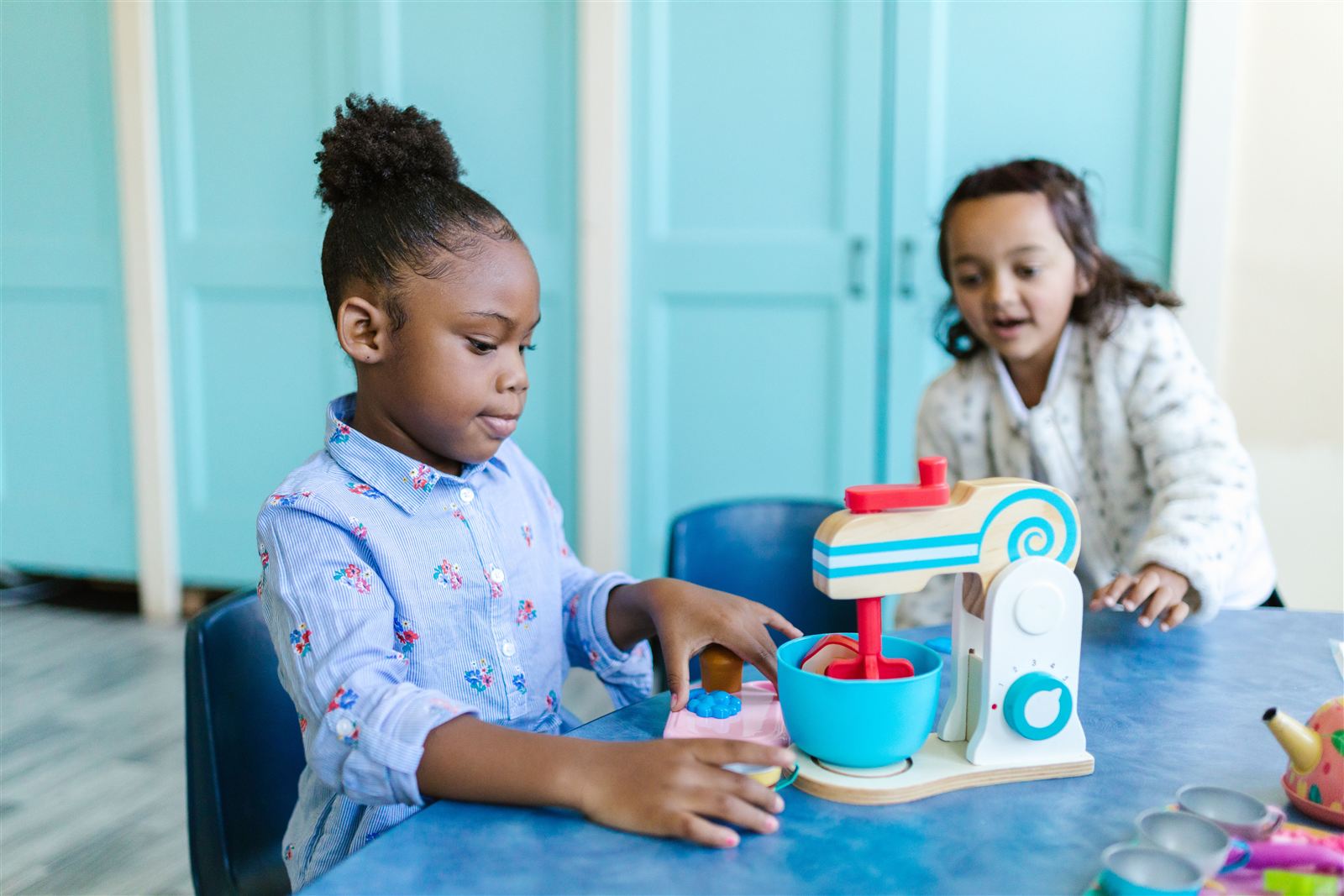
Children of different ages learning alongside each other
๐Ÿ‘ฆ๐Ÿ‘ง
Mixed-age groups Principle Four
04
Principle four

Older children teach. Younger children aspire.

In most daycares, children are grouped strictly by age. This feels logical but it removes one of the most powerful learning dynamics that exists: the relationship between older and younger children.

In our classrooms, children of different ages work alongside each other. A four-year-old who shows a two-year-old how to pour water is not merely being helpful โ€” they are consolidating their own mastery, developing patience and experiencing the profound satisfaction of being genuinely useful. That is one of the most powerful motivators in early childhood.

Mixed-age groupings also reduce competition, because there is no fixed standard everyone is measured against. Each child works at their own level and is celebrated for their own progress.

๐Ÿค Peer mentoring
๐Ÿ’ช Leadership development
โค๏ธ Empathy and patience
๐Ÿš€ Aspiration and motivation
A joyful child fully engaged in outdoor exploration and discovery
๐ŸŒ
Whole-child focus Principle Five
05
Principle five

The whole child โ€” head, heart and hands

Many early years programmes focus primarily on academic preparation. At Roots Montessori, we believe this is too narrow a view of what a child needs from these foundational years. Academic skills matter enormously โ€” and we develop them with great care. But they are only one dimension of a human being.

Our approach, at both centres, develops children across four equally important dimensions simultaneously. Cognitive โ€” logical thinking, language, scientific curiosity. Social and emotional โ€” empathy, conflict resolution, self-regulation. Physical โ€” fine and gross motor development, coordination, confidence. Spiritual โ€” a deep sense of wonder, connection to nature and a felt sense of belonging.

Children who develop across all four dimensions don't just start school ready โ€” they start life ready. That is what we are building, one session at a time, at Roots Montessori.
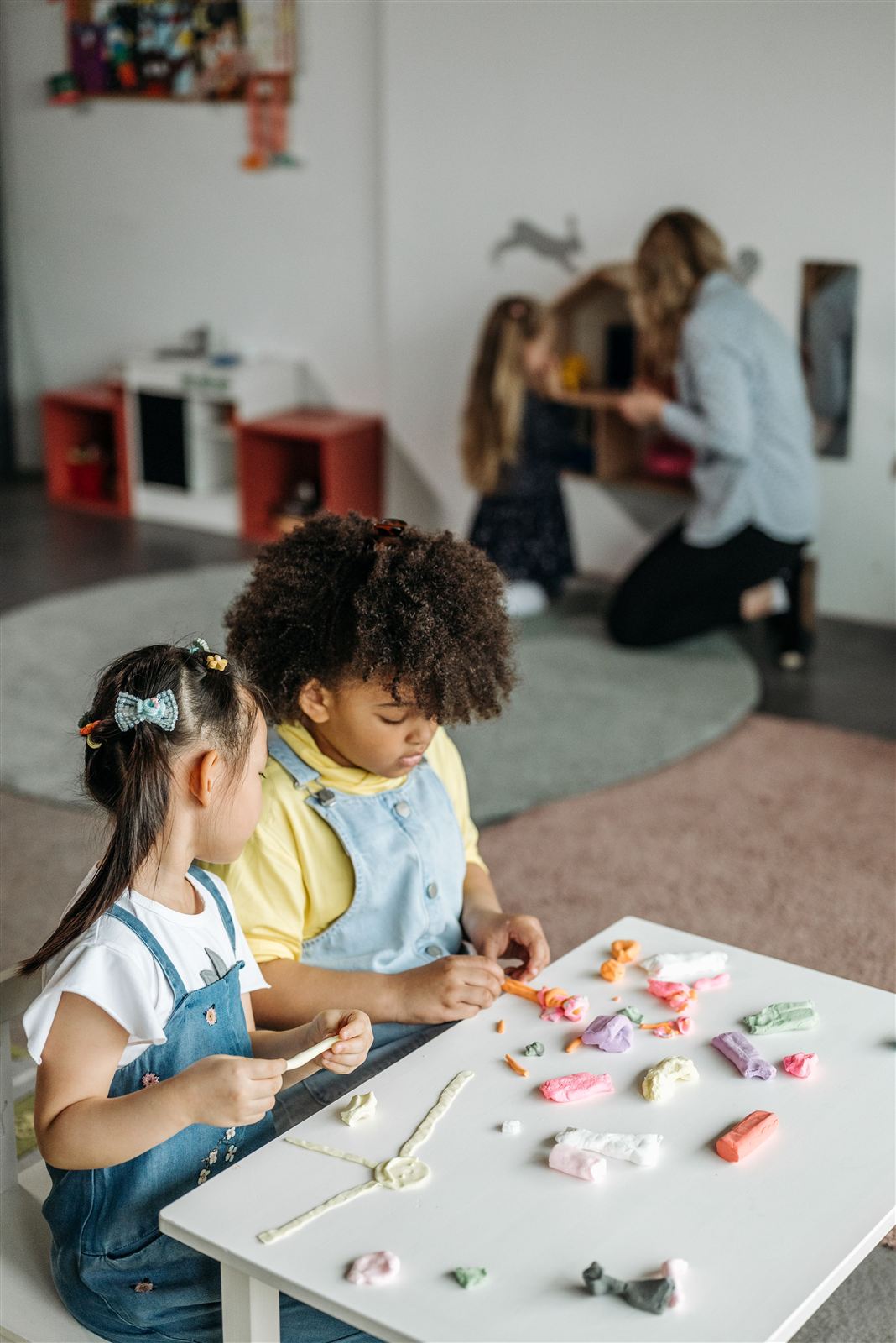
๐Ÿงฉ Cognitive development
โค๏ธ Social & emotional growth
๐Ÿƒ Physical capability
๐ŸŒธ Wonder & belonging

What this looks like every day

Montessori in practice at Roots

The philosophy above translates into specific, observable moments every single day โ€” at both Cartmell Place and Pioneer.

๐Ÿคซ

Quiet, focused classrooms

Our rooms are not silent โ€” children talk, collaborate and move freely. But there is an underlying calm that visitors always notice immediately at both centres.

๐Ÿšฐ

Children doing real things

Pouring, scrubbing, chopping soft fruit, sweeping โ€” children engage in real practical tasks every day, because real work builds real competence.

๐Ÿ“–

Spontaneous reading and counting

We create the conditions in which reading and counting emerge naturally from genuine interest โ€” and they almost always do, often earlier than parents expect.

๐ŸŒฟ

Nature woven into every day

Plants in the classroom, outdoor time in all weather, seeds to plant โ€” the natural world is core to our curriculum at both locations.

๐Ÿค

Children resolving conflict themselves

Our educators support children in finding their own solutions to disagreements โ€” using language, listening and empathy.

๐ŸŽ‰

Joy as the baseline

The most reliable indicator that a Montessori environment is working: children who don't want to go home, at either branch.

A brief history

Dr. Maria Montessori โ€” the woman behind the method

Understanding where the Montessori philosophy came from helps explain why it works so consistently, across every culture and generation of children.

๐ŸŽ“
1896

First female doctor in Italy

Maria Montessori graduates from the University of Rome's School of Medicine โ€” one of the first women in Italy to do so. Her training as a physician profoundly shapes her observation-based approach to understanding children.

๐Ÿซ
1907

The first Casa dei Bambini

Montessori opens her first "Children's House" in a poor district of Rome. Within months, children considered unteachable are reading, writing and caring for their environment with remarkable independence and joy.

๐ŸŒ
1910sโ€“1930s

Global recognition

The Montessori method spreads rapidly across Europe, the Americas and Asia, becoming one of the most respected educational philosophies in the world.

๐Ÿ“š
1940sโ€“1952

A lasting legacy

Montessori continues refining her method until her death in 1952. Today there are over 25,000 Montessori schools in more than 110 countries.

๐ŸŒฑ
Today ยท Edmonton & Spruce Grove

Roots Montessori carries the philosophy forward

At both Cartmell Place and Pioneer, we honour Dr. Montessori's vision every day โ€” adapted thoughtfully to the needs of each child, each family and the communities we serve in Alberta.

Our learning spaces

Classrooms designed for children to thrive

Every corner of both Roots Montessori centres is designed with intention โ€” calm, beautiful and purposefully arranged to invite independence and deep engagement.

A Montessori classroom โ€” calm, ordered and child-centred
๐Ÿก The prepared environment โ€” at both centres
Montessori materials on low shelves
๐Ÿ“š Materials at the child's level โ€” always
Children working together at child-sized tables
๐Ÿค Collaboration happens naturally
Infant room โ€” calm and nurturing
๐Ÿผ The infant room โ€” calm and unhurried
Children in outdoor learning space
๐ŸŒฟ Outdoors โ€” the fourth classroom

Experience it for yourself

Come and see our Montessori approach in action

The best way to understand what makes Roots Montessori different is to walk through our doors โ€” at either Cartmell Place or Pioneer. We welcome families for tours every week.